
Wynwood has become one of the most recognizable creative districts in the United States and a global reference for contemporary street art, design culture, and urban transformation. What was once an overlooked industrial neighborhood in Miami is now an internationally known destination for art lovers, designers, musicians, entrepreneurs, and travelers seeking an immersive aesthetic experience. Its fame is not accidental; it is the result of a rare convergence of history, artistic vision, cultural timing, and strategic reinvention.
This article explores why Wynwood is famous today, how it evolved into an art district, the role of street art and major cultural events, and how entertainment, gastronomy, and visual identity are deeply interconnected in shaping its global reputation.
Why Wynwood is famous today
Wynwood is famous because it represents a complete cultural ecosystem rather than a single attraction. It is a neighborhood where art extends beyond galleries and museums and becomes part of everyday life. Walls, sidewalks, warehouses, cafés, breweries, and storefronts function as living canvases. The district is constantly changing, with new murals, installations, pop-up exhibitions, and creative concepts appearing throughout the year.
Its global recognition is driven by three main factors: the concentration of high-level street art, the presence of international art events, and the lifestyle experience it offers. Wynwood is not only visited to “see art,” but to live inside it. This immersive quality is what differentiates Wynwood from traditional art neighborhoods and explains its strong appeal to younger generations and creative industries.
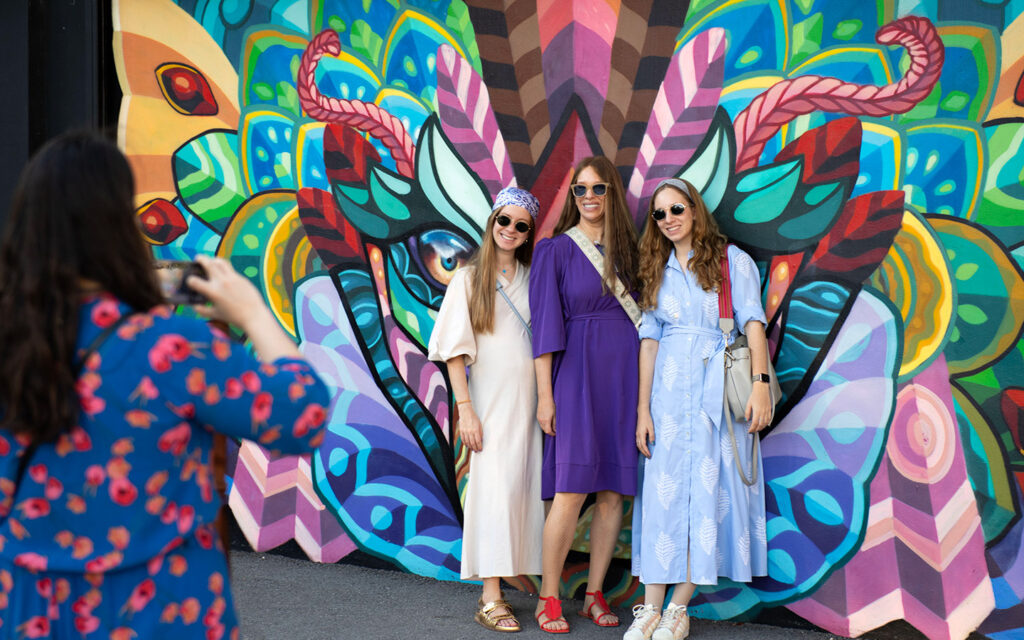
Social media has amplified this fame. Wynwood’s visual language—bold colors, graphic murals, neon signs, and industrial textures—has become highly shareable, turning the district into a constant presence on Instagram, TikTok, and digital culture platforms.
The transformation into an art district
Historically, Wynwood was a working-class neighborhood with strong industrial roots. In the early to mid-20th century, it was primarily a manufacturing and warehouse area, later becoming home to Puerto Rican and Latino communities. By the 1980s and 1990s, economic decline left many buildings vacant, creating an urban landscape of large, empty concrete structures.
This physical condition unintentionally created the perfect environment for artistic intervention. Large walls, low rents, and minimal regulation attracted artists, curators, and cultural investors. The pivotal moment came in the early 2000s, when developers and cultural visionaries began to see Wynwood not as a problem area, but as a blank canvas.
The district’s reinvention was not driven by traditional museums, but by street art and contemporary urban aesthetics. Murals replaced decay, creativity replaced abandonment, and art became the economic engine of the neighborhood.
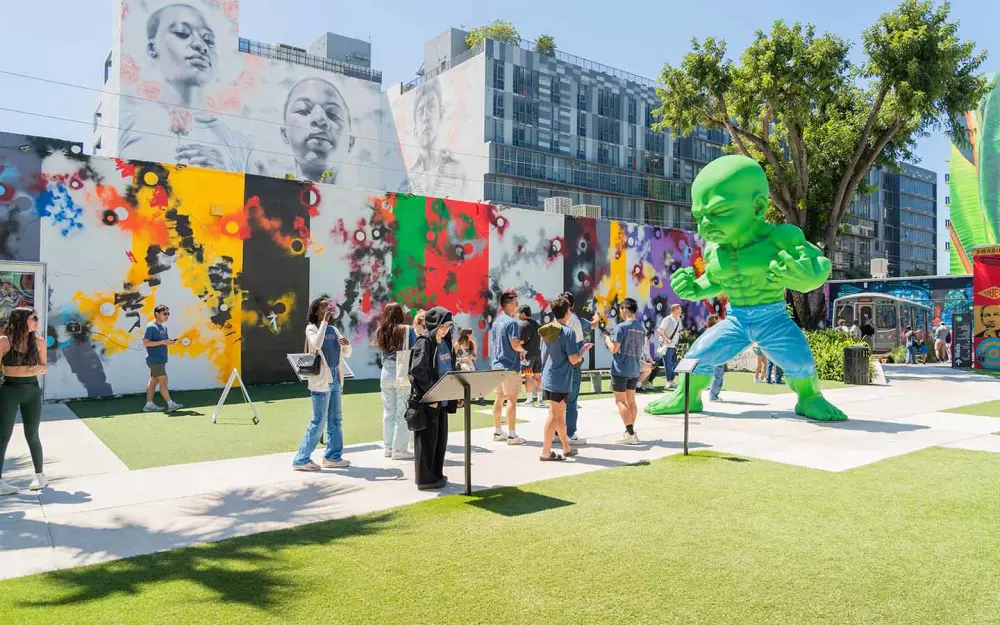
A defining element of Wynwood’s identity is Wynwood Walls, an open-air museum dedicated to large-scale murals by internationally renowned artists. Launched in 2009, Wynwood Walls transformed the perception of graffiti and street art, positioning them as legitimate, collectible, and curatorial art forms.
The project invited globally recognized artists to paint massive walls, creating a rotating exhibition that changes every year. Artists such as Shepard Fairey, Os Gemeos, RETNA, and Swoon have all left their mark on the district.
Beyond Wynwood Walls itself, the surrounding streets are filled with independent murals, tags, installations, and experimental visual works. This makes walking through Wynwood a constantly evolving art tour, where no two visits are the same. The beauty of the district lies in this impermanence: murals are painted over, styles change, and new voices emerge.
Art Basel and Wynwood’s global exposure
Wynwood’s international visibility is strongly linked to Art Basel Miami Beach, one of the most important contemporary art fairs in the world. Every December, Art Basel transforms Miami into a global art capital, attracting collectors, galleries, celebrities, and media from across the globe.
During this period, Wynwood becomes one of the most active zones in the city. The neighborhood hosts satellite fairs, pop-up exhibitions, brand activations, performances, and private events. Streets fill with visitors, and every corner becomes part of a curated cultural experience.
Art Basel helped position Wynwood not just as a local art district, but as part of the international art circuit. The synergy between institutional art spaces and raw street aesthetics created a unique contrast that continues to define the neighborhood’s character.
Entertainment, nightlife, and creative lifestyle
Wynwood’s fame extends well beyond visual art. The district is also a major hub for entertainment, nightlife, and experiential dining. Many venues are designed as art spaces in themselves, with interior design, lighting, murals, and branding carefully curated to align with the neighborhood’s aesthetic identity.
The area is known for its breweries and craft beer culture, which fit naturally with the industrial architecture. Breweries often collaborate with artists, designers, and musicians, turning tasting rooms into hybrid cultural spaces. Live music, DJ sets, and experimental performances are common, reinforcing Wynwood’s role as a creative playground.
Restaurants in Wynwood emphasize concept-driven design as much as cuisine. Menus, plating, typography, interiors, and even staff uniforms are often aligned with strong visual themes. This integration of food, design, and art contributes to the district’s immersive experience.
Aesthetic identity and cultural influence
What truly makes Wynwood famous is its cohesive aesthetic language. The neighborhood has developed a recognizable visual identity based on contrast: raw concrete mixed with vibrant color, industrial forms combined with organic expression, and underground culture elevated to global relevance.
This aesthetic has influenced fashion, graphic design, advertising, and digital culture. Brands frequently use Wynwood as a backdrop for campaigns because it communicates creativity, authenticity, and contemporary relevance. The district has become shorthand for “art-driven urban culture.”
Wynwood and the World Cup moment
With major global events such as the FIFA World Cup hosted in the United States, Miami—and Wynwood in particular—has gained renewed attention as a cultural destination beyond sports. International visitors increasingly seek neighborhoods that offer identity, creativity, and experience, not just stadiums or tourist landmarks.
Wynwood fits perfectly into this context. During global events, the district becomes a meeting point for cultures, creatives, and visitors looking for a sense of place. Its walkability, visual impact, and concentration of venues make it an ideal cultural hub during moments of international attention.
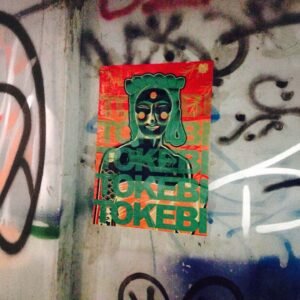
Written by TOKEBI, an independent visual artist exploring urban aesthetics and contemporary mythologies.”