
Before large-scale murals, before social media documentation, and before curated urban districts, wheatpaste was one of the most effective tools in street culture. Simple, fast, and reproducible, wheatpaste allowed artists to spread images across cities with minimal resources. Although less visible today than murals or graffiti lettering, wheatpaste played a foundational role in shaping how street art communicates, repeats, and embeds itself into public memory.
This article explores wheatpaste as a street art medium, its cultural significance, and why it remains relevant despite being less frequently discussed in contemporary urban art conversations.
What Is Wheatpaste in Street Art
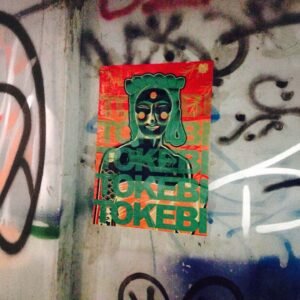
Wheatpaste is a handmade adhesive, traditionally made from flour and water, used to attach paper posters to walls, poles, and urban surfaces. Its simplicity made it accessible to artists working without institutional support or expensive materials. Posters could be prepared in advance, transported easily, and installed quickly.
Unlike graffiti, wheatpaste did not require mastery of spray techniques. Unlike murals, it did not demand time or permission. This accessibility allowed images to spread rapidly and repeatedly, turning the city into a layered collage of symbols and messages.
Speed, Repetition, and Urban Presence
One of wheatpaste’s defining characteristics is speed. Artists could install dozens of identical images in a single night. This repetition was not accidental; it was strategic. Seeing the same image multiple times across a city created familiarity and recognition.
This logic parallels broader street culture strategies where repetition reinforces memory. Symbols gain power not through complexity but through persistence. Wheatpaste enabled this persistence at scale, making it one of the earliest tools for building visual identity in public space.
These mechanics connect directly to how symbols function across street culture more broadly. Repeated imagery trains the viewer, embedding meaning through exposure rather than explanation.
Wheatpaste as a Layered Medium
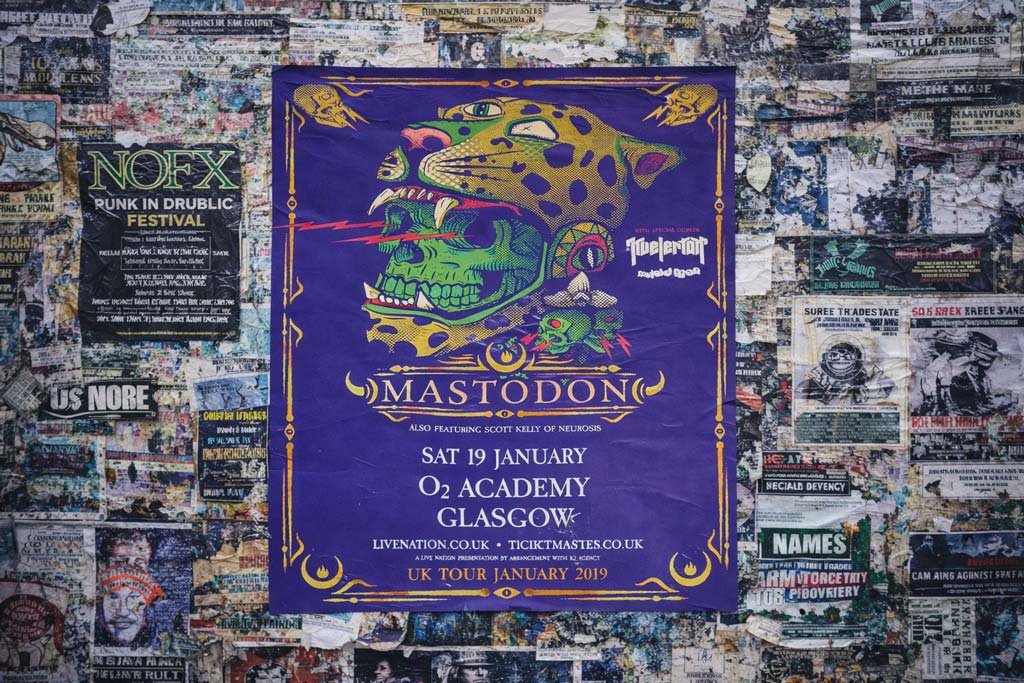
Unlike murals, wheatpaste is inherently temporary. Posters tear, peel, and decay. Layers accumulate as new posters are pasted over old ones. This impermanence became part of the aesthetic. Walls covered in wheatpaste reflect time and activity. Each layer documents a moment, an artist, or a message. This accumulation mirrors the way street culture itself evolves; nothing is static, everything is provisional. This layered quality also differentiates wheatpaste from curated environments. While projects like Wynwood Walls emphasize preservation and visibility, wheatpaste embraces erosion and disappearance. Both approaches shape urban art differently, but each reveals a distinct relationship between art and public space.
Influential Artists Who Used Wheatpaste
Several influential street artists built their early visibility through wheatpaste campaigns, proving the medium’s effectiveness.
- Shepard Fairey
Before global recognition, Fairey’s Obey campaign relied heavily on wheatpaste posters. The repeated face image appeared across cities, building recognition through sheer volume. The work demonstrated how repetition and symbols could operate independently of explanation. - JR
JR used large-scale photographic wheatpaste installations to place human faces directly into urban environments. His work showed that wheatpaste could carry emotional and social weight, not just graphic impact.
These examples highlight wheatpaste’s versatility; it can be graphic, political, personal, or purely symbolic.
Wheatpaste and Symbol-Based Communication
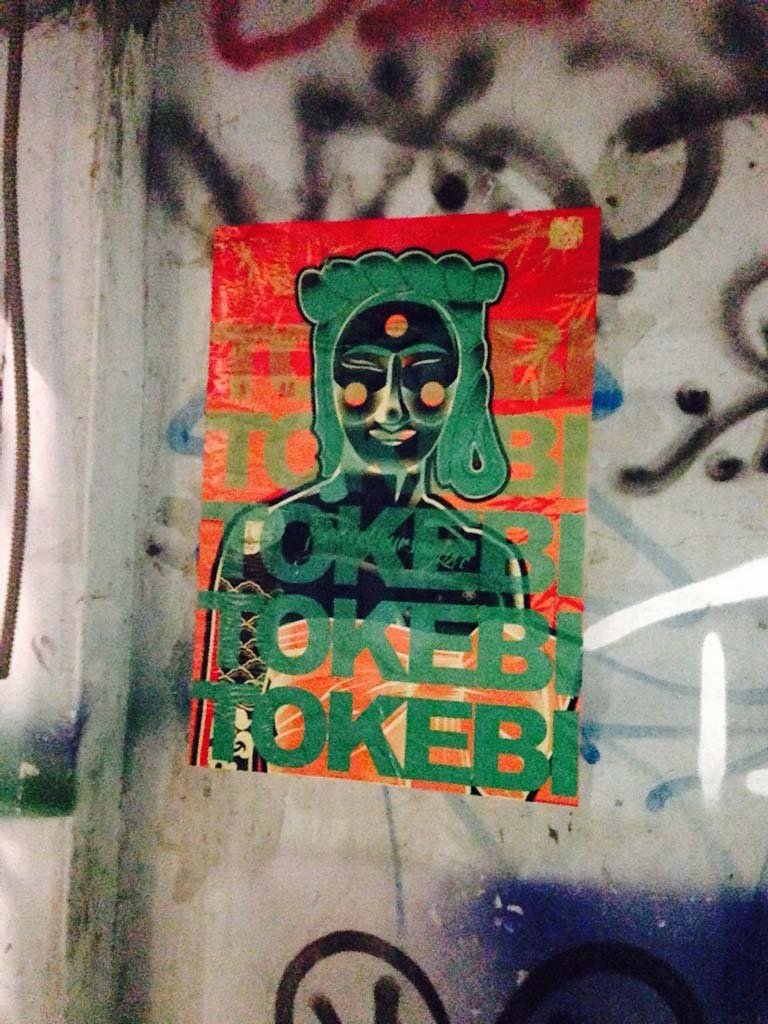
Because wheatpaste relies on printed imagery, artists often simplify visuals to ensure immediate legibility. Bold faces, icons, text fragments, and recurring characters dominate the medium. This necessity reinforces symbolic clarity.
Repeated wheatpaste posters function like visual punctuation in the city. They interrupt routine movement and invite recognition rather than contemplation. Over time, viewers associate the symbol with presence, not explanation.
This approach aligns with broader principles of street culture, where meaning emerges through repetition and placement rather than narrative description.
Why Wheatpaste Became Less Visible
As street art gained institutional attention, murals and sanctioned projects became more prominent. Murals offer scale, permanence, and photographic appeal, making them attractive for festivals and urban redevelopment. Wheatpaste, by contrast, resists control. It decays, overlaps, and spreads unpredictably.
This unpredictability makes wheatpaste less compatible with curated districts. However, that same quality preserves its underground relevance. Wheatpaste remains a tool for rapid intervention, especially in dense urban environments where painting is impractical.
Wheatpaste in the Digital Era
Digital platforms extended wheatpaste’s lifespan. A poster that lasts days on a wall may circulate online indefinitely. Documentation transformed ephemeral acts into permanent records.
This shift allowed wheatpaste-based practices to influence contemporary urban art even as physical usage declined. The logic of repetition, modular imagery, and symbol-based communication migrated seamlessly into digital feeds and print culture.
Wheatpaste as Cultural Memory
Wheatpaste occupies a unique position in street art history. It is both fragile and powerful. It prioritizes message over material, visibility over permanence. In doing so, it shaped how artists think about public space as a communicative surface.
Its influence is visible in how symbols recur across cities, how artists build recognition through repetition, and how urban art balances disappearance with memory.
Conclusion
Wheatpaste may no longer dominate street art discussions, but its impact remains embedded in urban visual culture. As a medium, it enabled speed, repetition, and symbolic clarity at a scale few others could match.
By allowing artists to multiply presence and embed symbols across cities, wheatpaste helped define the mechanics of street culture itself. Even as murals and curated walls gain prominence, wheatpaste continues to represent the raw, provisional core of urban expression; a reminder that street art was never meant to last, only to appear, repeat, and be remembered.
Written by TOKEBI, an independent visual artist exploring urban aesthetics and contemporary mythologies.”