

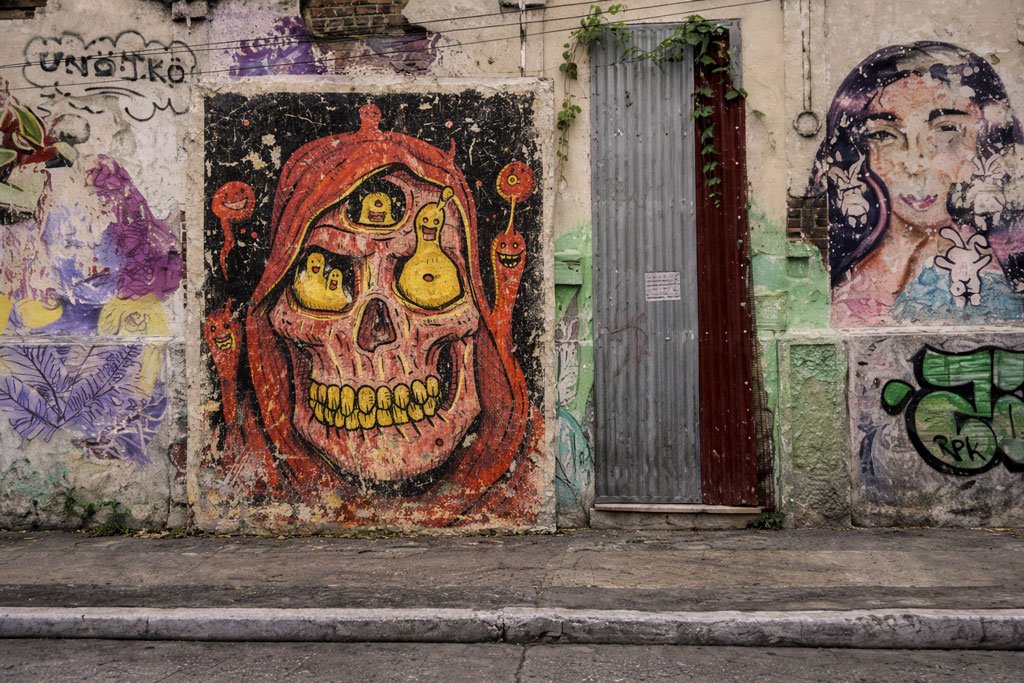
Street art was never about a single perfect piece. Its power comes from repetition, placement, and persistence. Long before algorithms, street artists understood how visibility works in real environments. They learned that recognition is built gradually, through consistent presence rather than isolated moments of brilliance. These same principles apply directly to social media. While the medium has changed, the logic has not. Platforms are digital streets; feeds are walls; attention is traffic. Let’s approach social media with a street-art mindset to build stronger, more durable visibility over time.
Below are five clear parallels between street art strategies and effective social media behavior, framed to emphasize repetition and consistency:
Tag Repetition: Visual Signature Repetition
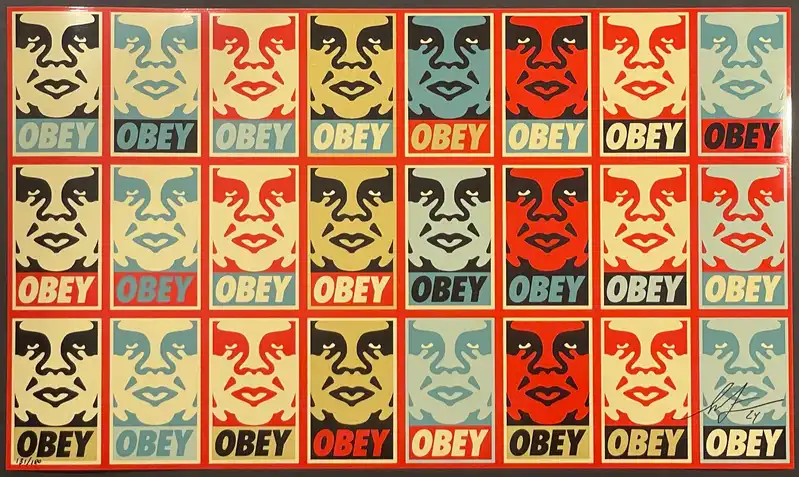
In street art, a tag gains power by appearing repeatedly across different walls. The goal is not variation; it is recognition. Over time, the name becomes unavoidable. On social media, this translates into repeating a very specific visual signature. This can include a consistent color palette, recurring framing, identical typography, or a recognizable symbol or character. Even when the subject of the post changes, the visual language remains stable. This repetition allows the audience to recognize the content before reading the username. Recognition happens at the visual level first. Over time, this builds authority because the work feels intentional rather than random.
Same Spot, Different Days: Same Format, Different Posts
Street artists often return to the same wall multiple times, making small changes rather than reinventing everything. The wall becomes familiar; the variation keeps it alive. Applied to social media, this means choosing a fixed content format and repeating it. For example, using the same layout, camera angle, caption structure, or post rhythm while changing the message or image. The audience learns the format and knows what to expect. This reduces cognitive friction. Viewers do not need to decode the post structure each time; they focus on the content itself. Familiarity increases retention and makes consistent posting easier for the creator.
Route Logic: Platform-Native Repetition
Street art placement follows human movement. Artists choose corners, entrances, and high-traffic paths because repetition only works if people actually see it. On social media, repetition should follow platform behavior rather than personal preference. This means posting consistently within the same time window, focusing on the same content type, and respecting how users consume content on that platform. Jumping constantly between formats, schedules, or platforms breaks the repetition loop. Staying aligned with platform-native behavior ensures that repetition reinforces visibility instead of fragmenting it.
Symbol Over Explanation: Short, Repeatable Message
Street art rarely explains itself. A symbol appears again and again until meaning forms through exposure. The audience learns by recognition, not instruction. On social media, this translates into repeating a short idea, phrase, or concept across multiple posts instead of attempting to fully explain it once. The goal is not to convince immediately but to associate a concept with a creator over time. This approach mirrors how meaning accumulates in street culture. Repetition replaces over-explanation. Over time, the audience begins to anticipate the message and associate it with a specific voice or visual style.
Persistence Over Virality: Accumulated Presence
Street artists do not rely on one perfect mural. They aim for omnipresence. Visibility is built through accumulated encounters, not singular moments. Applied to social media, this means prioritizing consistent posting over chasing viral hits. Viral content is unpredictable and often disconnected from long-term identity. Consistent presence, even with modest engagement, builds familiarity. Familiarity is the foundation of trust. Audiences follow what feels present and reliable. Over time, this accumulated presence creates recognition that outlasts trends or algorithm changes.
Why This Strategy Works Long Term
Street art strategies work because they align with how humans process environments. People remember what they see often, not what they see once. Social media operates under the same psychological rules. By adopting repetition, fixed formats, symbolic clarity, and persistence, artists reduce burnout and increase coherence. Content creation becomes systematic rather than reactive. This approach also creates a stronger archive. Over months or years, a consistent feed becomes evidence of commitment, identity, and seriousness. That perception contributes directly to long-term relevance.
Conclusion
Street art mastered visibility long before digital platforms existed. Its strategies were shaped by real-world constraints; limited time, limited space, and fleeting attention. Those same constraints define social media today. By translating street art principles into social media behavior, artists can stay active without becoming spammy, visible without chasing virality, and consistent without sacrificing identity. Repetition, when used intentionally, does not dilute meaning. It builds it.
In both streets and feeds, presence is not accidental. It is designed, repeated, and sustained.
Written by TOKEBI, an independent visual artist exploring urban aesthetics and contemporary mythologies.