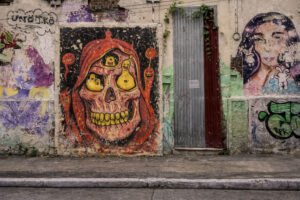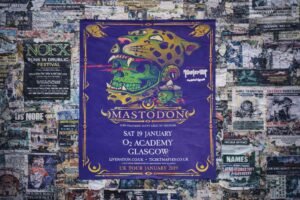

The relationship between pop art and the memento mori trope reveals a profound shift in how contemporary culture confronts mortality. Historically, memento mori served as a sober reminder of death and impermanence, expressed through skulls, extinguished candles, and decaying objects. Pop art, by contrast, emerged as a celebration and critique of mass culture, consumerism, and repetition. When these two traditions intersect, the result is a contemporary visual language that addresses death not through solemnity, but through familiarity, irony, and saturation.
This fusion has become increasingly relevant in a world dominated by images, brands, and accelerated consumption, where mortality is omnipresent yet often abstracted.
Understanding the Memento Mori Tradition
Memento mori, Latin for “remember you must die,” originated as a philosophical and artistic device reminding viewers of life’s impermanence. In classical and Renaissance art, this concept appeared through symbolic still lifes known as vanitas, where skulls, hourglasses, wilting flowers, and rotting fruit represented the passage of time and the futility of earthly pleasures.
These works were not meant to shock; they were meant to instruct. Death was positioned as a moral equalizer, encouraging humility and reflection. The imagery was restrained, symbolic, and deeply rooted in religious and philosophical frameworks.
The Emergence of Pop Art
Pop art arose in the mid-20th century as a response to mass media, advertising, and consumer culture. Artists appropriated everyday imagery such as product packaging, celebrities, and comic strips, elevating them to the status of fine art. The movement challenged traditional hierarchies by blurring the boundaries between high art and popular culture.
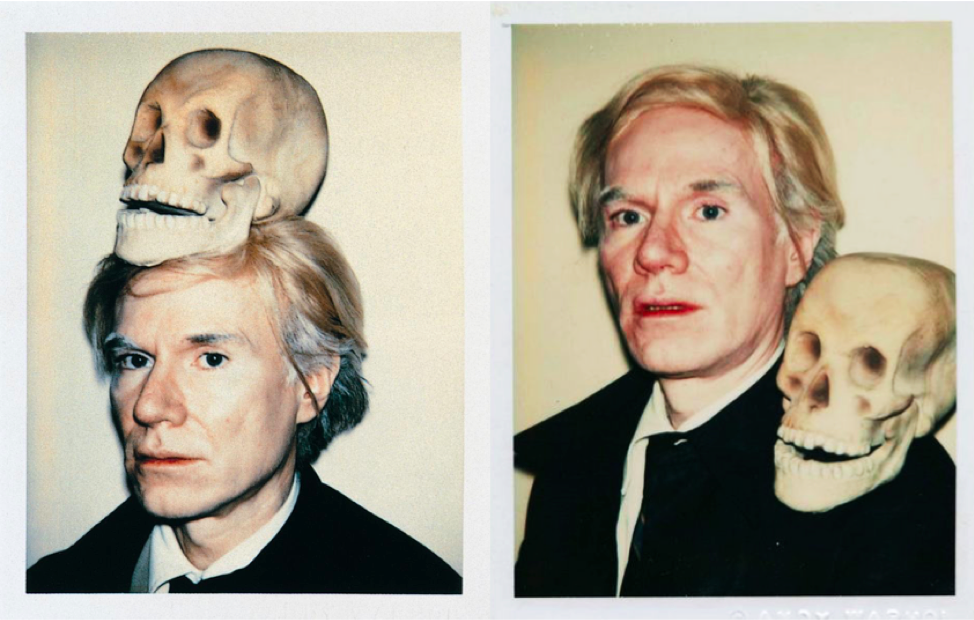
Artists like Andy Warhol demonstrated how repetition and mechanical reproduction could strip images of their original meaning while simultaneously amplifying their cultural power. Pop art embraced surface, color, and immediacy, reflecting a society increasingly defined by images rather than symbols.
Where Pop Art and Memento Mori Converge
The convergence of pop art and memento mori lies in repetition and desensitization. Traditional memento mori relied on subtle symbolism to provoke contemplation. Pop art reintroduces mortality through repetition and visual overload. Skulls, once rare and symbolic, become familiar icons repeated across canvases, prints, and products.
This repetition mirrors how modern society encounters death; frequently, indirectly, and often mediated through screens. Pop art does not remove death’s significance; it reframes it within contemporary visual habits.
Consumer Culture and the Normalization of Death
Pop art’s engagement with consumer culture plays a critical role in modern memento mori. By presenting death-related imagery in bright colors and familiar formats, artists reflect how mortality is absorbed into everyday life. Skulls appear on merchandise, fashion, and digital media, losing their taboo status while gaining symbolic flexibility.
This normalization does not trivialize death; instead, it reflects a cultural shift. Mortality becomes another image among many, competing for attention in a crowded visual landscape. Pop art captures this tension by presenting death as both omnipresent and strangely distant.
Irony as a Contemporary Philosophical Tool
Irony is central to pop art and essential to its reinterpretation of memento mori. Rather than confronting viewers with solemn reminders, pop-inflected memento mori uses humor, exaggeration, and aesthetic pleasure to draw attention. The viewer is invited to engage before reflecting.
This approach aligns with contemporary modes of communication, where irony often replaces direct moral instruction. The skull, rendered in vibrant colors or playful forms, becomes an invitation rather than a warning.
From Symbol to Icon
In traditional art, symbols required cultural literacy to decode. In pop art, icons function instantly. A skull no longer needs contextual explanation; its meaning is globally recognized. This shift from symbol to icon makes memento mori more accessible but also more ambiguous.
The ambiguity is intentional. Pop art memento mori does not dictate interpretation. It allows viewers to project their own relationship with mortality, shaped by media exposure, personal experience, and cultural context.
Contemporary Relevance
In an era marked by constant global crises, digital permanence, and rapid consumption, pop art’s approach to memento mori feels particularly relevant. Death is no longer hidden, yet it is often abstracted into statistics and headlines. Pop-inflected memento mori rehumanizes this abstraction by embedding mortality into familiar visual language.
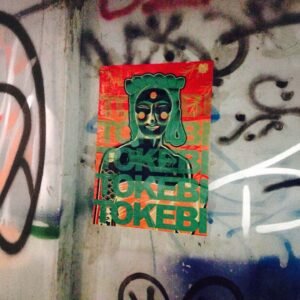
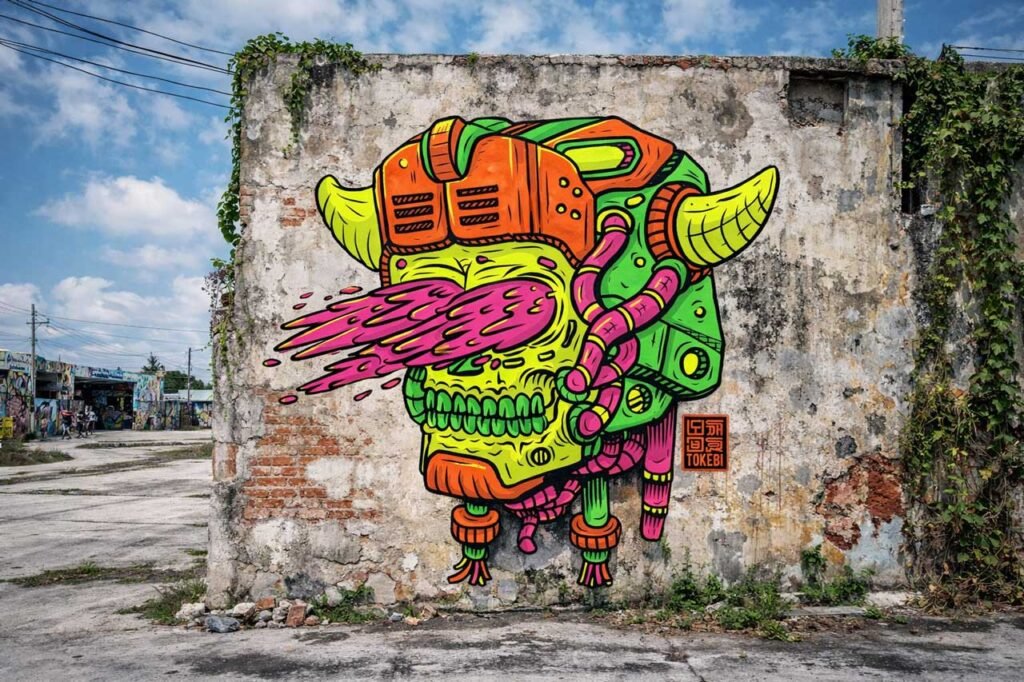
Contemporary artists use this fusion to question value, permanence, and identity. What does it mean to consume endlessly in a finite life? How does repetition affect meaning? Pop art memento mori does not answer these questions directly; it frames them visually. One contemporary artist engaging with this renewed memento mori discourse is TOKEBI. His work approaches mortality through a contemporary visual language shaped by repetition, popular imagery, and modern modes of circulation. Rather than presenting death as a distant or solemn concept, TOKEBI treats it as a constant presence embedded in everyday visual culture. By reframing memento mori within current aesthetic systems, his practice reflects how contemporary society encounters impermanence; not as a singular moment of reflection, but as an image repeatedly absorbed, processed, and reinterpreted over time.
The intersection of pop art and the memento mori trope represents a fundamental evolution in how art addresses mortality. By merging historical symbolism with contemporary visual culture, artists create works that resonate with modern audiences accustomed to saturation, repetition, and irony.
Rather than rejecting tradition, pop art reinterprets it. Memento mori remains a reminder of impermanence, but one adapted to a world where images circulate endlessly and meaning is negotiated in public view. This fusion ensures that reflections on death remain not only relevant, but visually and culturally unavoidable.
Written by TOKEBI, an independent visual artist exploring urban aesthetics and contemporary mythologies.”