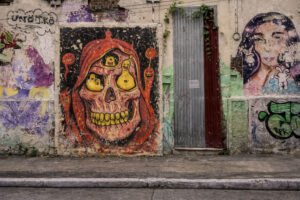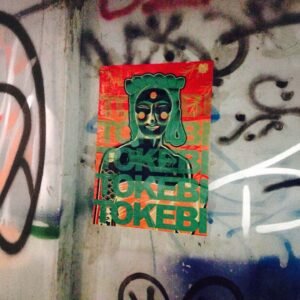

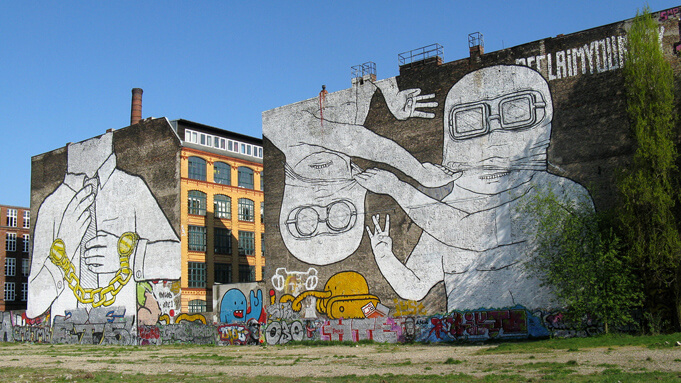
Urban art did not emerge from academic institutions or formal movements; it arose from the streets, shaped by necessity, expression, and public space. What began as localized visual expression tied to specific neighborhoods has evolved into a global cultural language understood across continents. Today, urban art is no longer confined to alleyways or train cars; it is embedded in contemporary visual culture, influencing fashion, design, advertising, and fine art.
This article examines how urban art transformed into a shared global language, how street art culture developed its own codes and symbols, and why contemporary urban art resonates so strongly in modern societies.
The Origins of Urban Art
Urban art emerged as a response to visibility and voice. In many cities, marginalized communities used walls as platforms for expression when other channels were unavailable. Early graffiti and street markings were territorial, political, or identity-driven. They communicated messages to insiders while challenging outsiders and authorities.
Unlike traditional art forms, urban art was inseparable from its environment. The city itself became the canvas, and the artwork was shaped by architecture, movement, and temporality. This relationship with public space defined street art culture from the beginning and remains central to its meaning.
From Local Expression to Shared Visual Codes
As cities became more interconnected through media and travel, visual styles spread rapidly. Letterforms, characters, stencils, and symbols migrated from one city to another. What once belonged to a single neighborhood began to appear globally, adapted to local contexts but retaining recognizable traits.
This replication did not dilute urban art; it strengthened it. Shared visual codes allowed artists from different regions to communicate without language barriers. A mural in Asia could be immediately understood by viewers in Europe or the Americas. Urban art became a visual Esperanto, grounded in form, repetition, and symbolism.

The Role of Street Art Culture
Street art culture is defined not only by aesthetics but by values. Autonomy, authenticity, and immediacy are central. Works are often created without permission, embracing impermanence and risk. This gives street art a sense of urgency that institutional art sometimes lacks.
Community recognition within street art culture functions as a form of validation. Respect is earned through consistency, originality, and presence rather than formal credentials. This peer-based system contributed to the rapid spread of urban art practices across borders.
Urban Art and Global Cities
Global cities accelerated the internationalization of urban art. Dense populations, tourism, and media exposure turned murals into cultural landmarks. Photographs of street art circulated online, detaching works from their original locations while preserving their visual impact.
This circulation transformed urban art into a portable identity. Artists could be recognized internationally even if their work was temporary or removed. The city became both origin and amplifier, allowing local expression to enter global visual discourse.
Contemporary Urban Art and Hybridization
As urban art gained visibility, it began to intersect with other disciplines. Illustration, graphic design, fashion, and digital media absorbed street aesthetics. Contemporary urban art is often hybrid; it combines traditional graffiti techniques with fine art practices, digital tools, and commercial formats.
This hybridization does not erase street origins. Instead, it reflects adaptation. Contemporary urban art maintains the visual intensity and symbolic clarity of street work while expanding into galleries, products, and online platforms.
Urban Art as a Cultural Mirror
Urban art reflects the realities of the environments in which it appears. Themes such as inequality, identity, consumerism, and power recur across cities, even when styles differ. This thematic consistency reinforces urban art’s role as a cultural mirror.
Because it exists in public space, urban art invites interpretation from diverse audiences. It does not require formal education to be understood. This accessibility is one reason it functions effectively as a global language.
Personal Trajectories Within a Global Movement
Many artists enter urban art through informal economies rather than formal institutions. For example, TOKEBI began his creative career selling hand-printed t-shirts on the streets of Hongdae, an area known for youth culture, music, and independent art scenes. Experiences like these are common within street art culture; artists learn visibility, audience response, and survival directly from the street.
These trajectories highlight an essential aspect of urban art; it is often learned through practice, exposure, and repetition rather than formal instruction. This experiential foundation contributes to its global adaptability.
The Influence of Digital Platforms
Digital platforms accelerated the globalization of urban art. Artists document work instantly, reaching audiences far beyond the original wall. Social media transformed ephemeral street pieces into permanent digital records.
This visibility reinforced shared aesthetics and allowed contemporary urban art to evolve collectively. Artists observe, respond, and reinterpret global trends while maintaining local identity. The result is a constantly evolving visual conversation that transcends borders.
Urban Art Beyond the Street
While urban art originated in public space, its influence now extends far beyond it. Museums, brands, and institutions increasingly incorporate street art aesthetics. This shift signals recognition but also raises questions about authenticity and context.
Despite these tensions, street art culture continues to renew itself. New artists emerge, new cities contribute styles, and public space remains a critical testing ground. The street retains its role as a site of experimentation and resistance.
Urban art became a global cultural language because it is adaptable, accessible, and rooted in shared human experience. Street art culture transformed local expression into international dialogue through visual codes, public space, and repetition. Contemporary urban art continues this evolution, blending disciplines while preserving its core values.
In a world shaped by rapid change and constant movement, urban art speaks fluently. It does not rely on translation; it relies on presence. That is why it continues to resonate, city after city, wall after wall.
Written by TOKEBI, an independent visual artist exploring urban aesthetics and contemporary mythologies.”